History
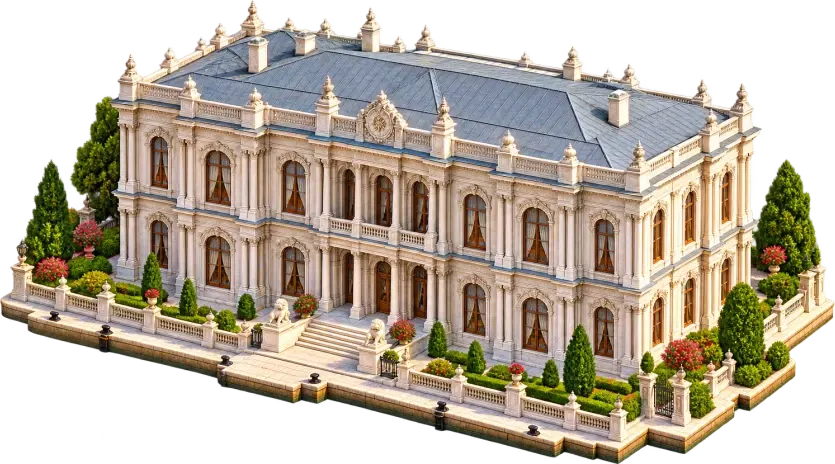
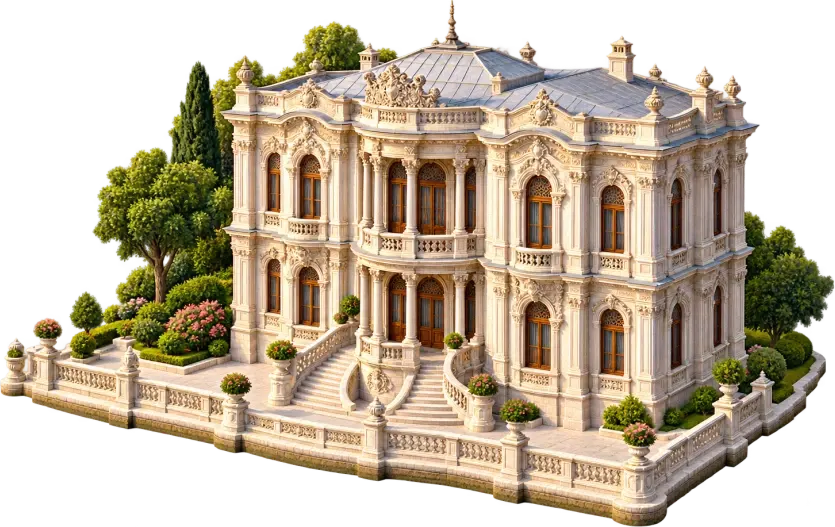
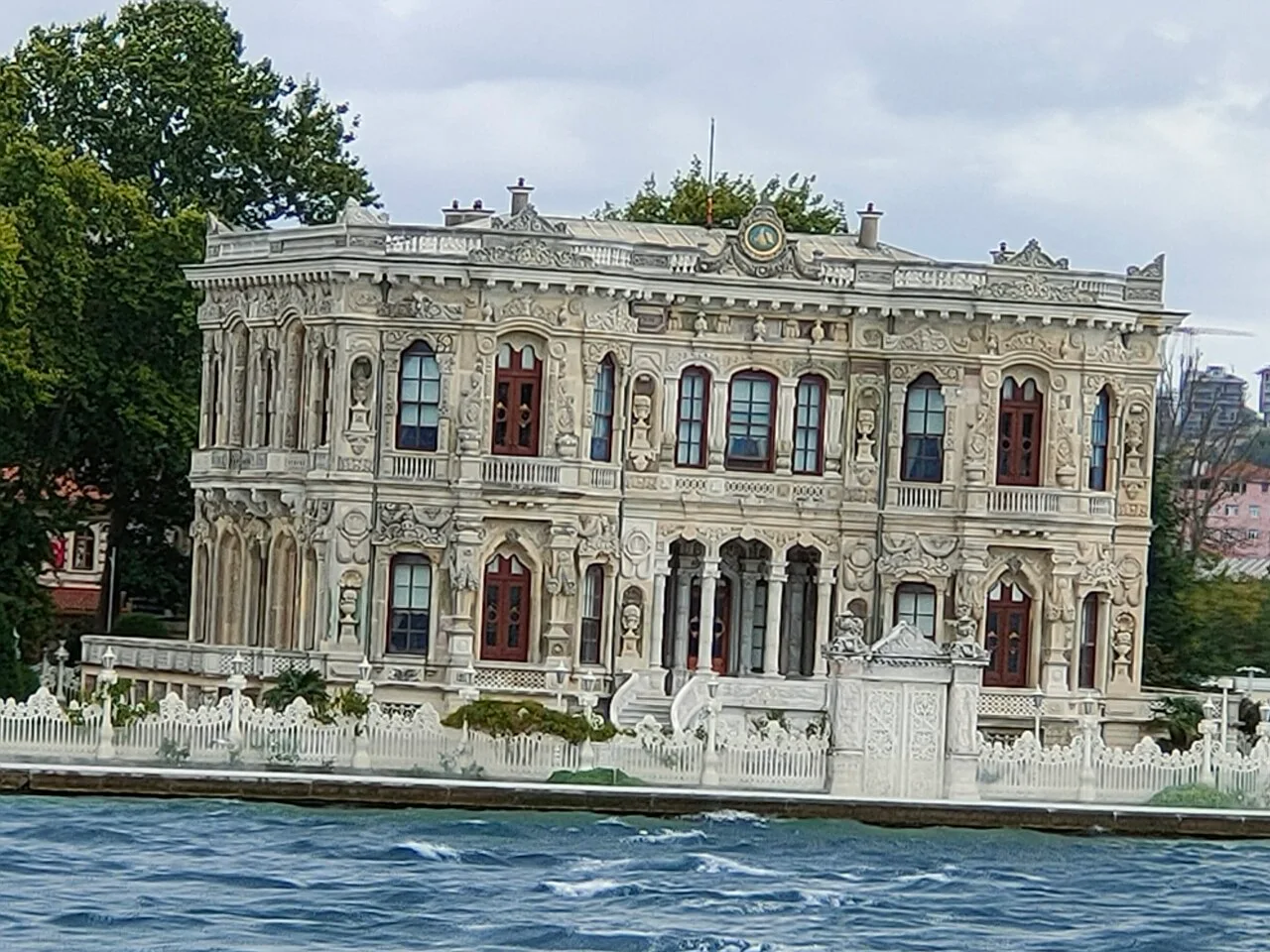
Built under Sultan Abdülmecid, this small stone pavilion replaced a wooden royal lodge. It was used for outings and hunting, with richly decorated rooms and marble fireplaces.
Unlike a large administrative palace, Küçüksu was designed around short stays and leisure. Its smaller scale does not mean plain decoration: the sea-facing stonework, stairways and carefully finished rooms make craftsmanship central to its identity.
Behind the landmark
Long before the pavilion, Göksu’s meadows were a favourite place for leisure. Evliya Çelebi described rowboats, gardens and small waterfront pavilions in the area.
The older meadow landscape helps explain why a royal retreat was placed here. The pavilion turned a place associated with outings into an architectural setting for them, keeping the surrounding water and gardens part of the experience.
Important events
- 1751–1752
An earlier wooden royal lodge is built.
- 1857
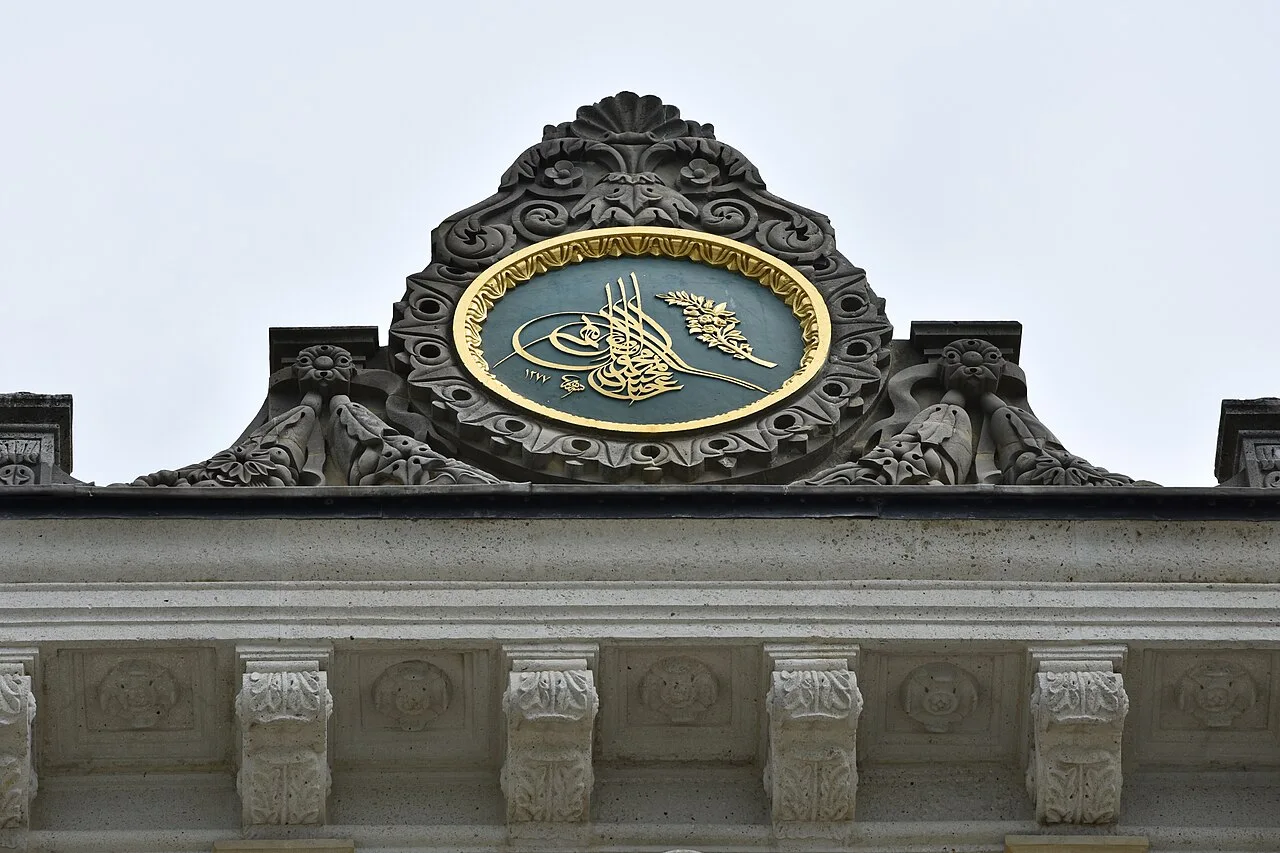
The present stone pavilion is completed for Sultan Abdülmecid.
- 1983
The pavilion opens as a museum-palace.
What to look for from the water
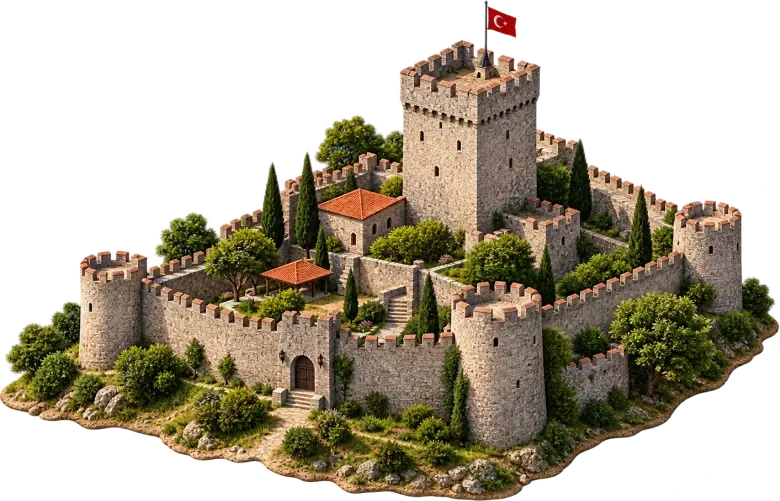
Pay attention to the carved central façade and the steps facing the strait. Nearby Anadolu Fortress offers a useful contrast between a decorated leisure pavilion and a defensive building.
Questions about this landmark
What is a kasır or pavilion?
Here it means a smaller royal retreat, associated with outings and rest rather than a full administrative palace.
Where is Küçüksu Pavilion?
It stands near the Göksu stream in Beykoz, on the Asian shore of the Bosphorus.