History
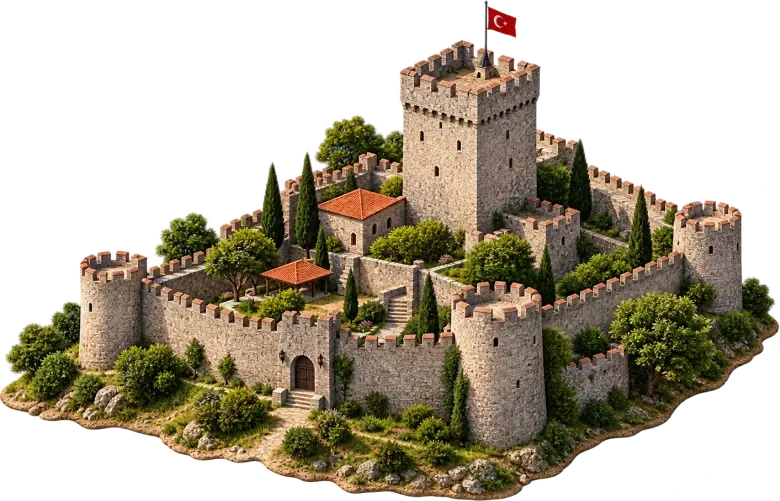
Bayezid I built this fortress where the Göksu stream meets the Bosphorus, to control passage through the strait. It later formed a pair with Rumeli Fortress across the water.
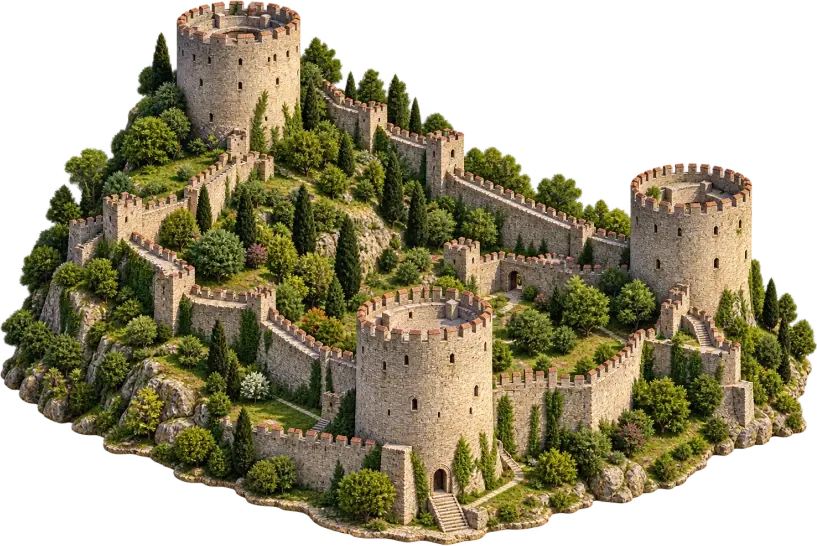
The location combines a sheltered stream mouth with a view over a major shipping passage. Later, Rumeli Fortress added a much larger defensive presence on the European bank. Reading the pair together reveals how strategy developed on both sides of the water.
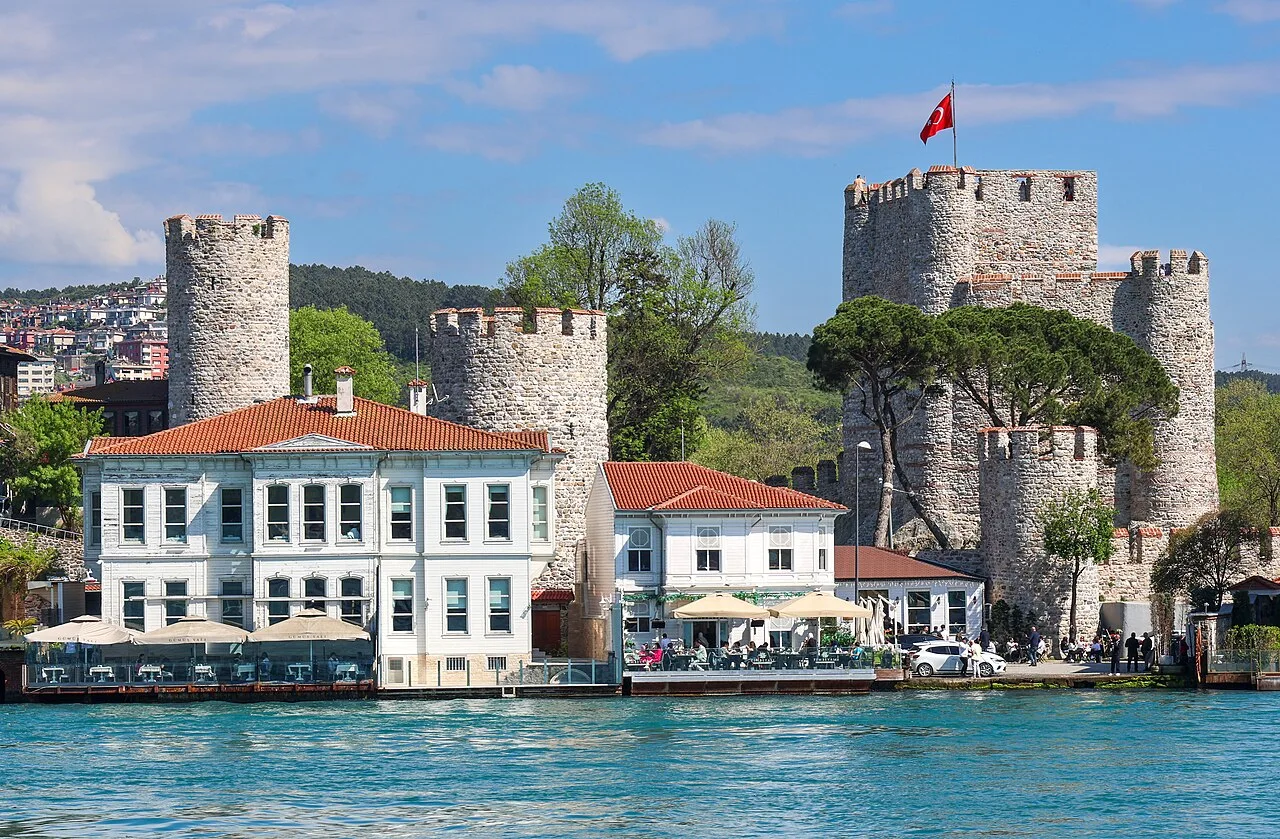
Behind the landmark
One of its old names is Güzelce Hisar, meaning ‘beautiful fortress’. Its later life included use as a prison, after its original strategic role had changed.
The old name Güzelce Hisar invites a different reading from a purely military one. The compact stone silhouette is now seen among waterfront houses, while its defensive origins explain the stronger forms that rise above them.
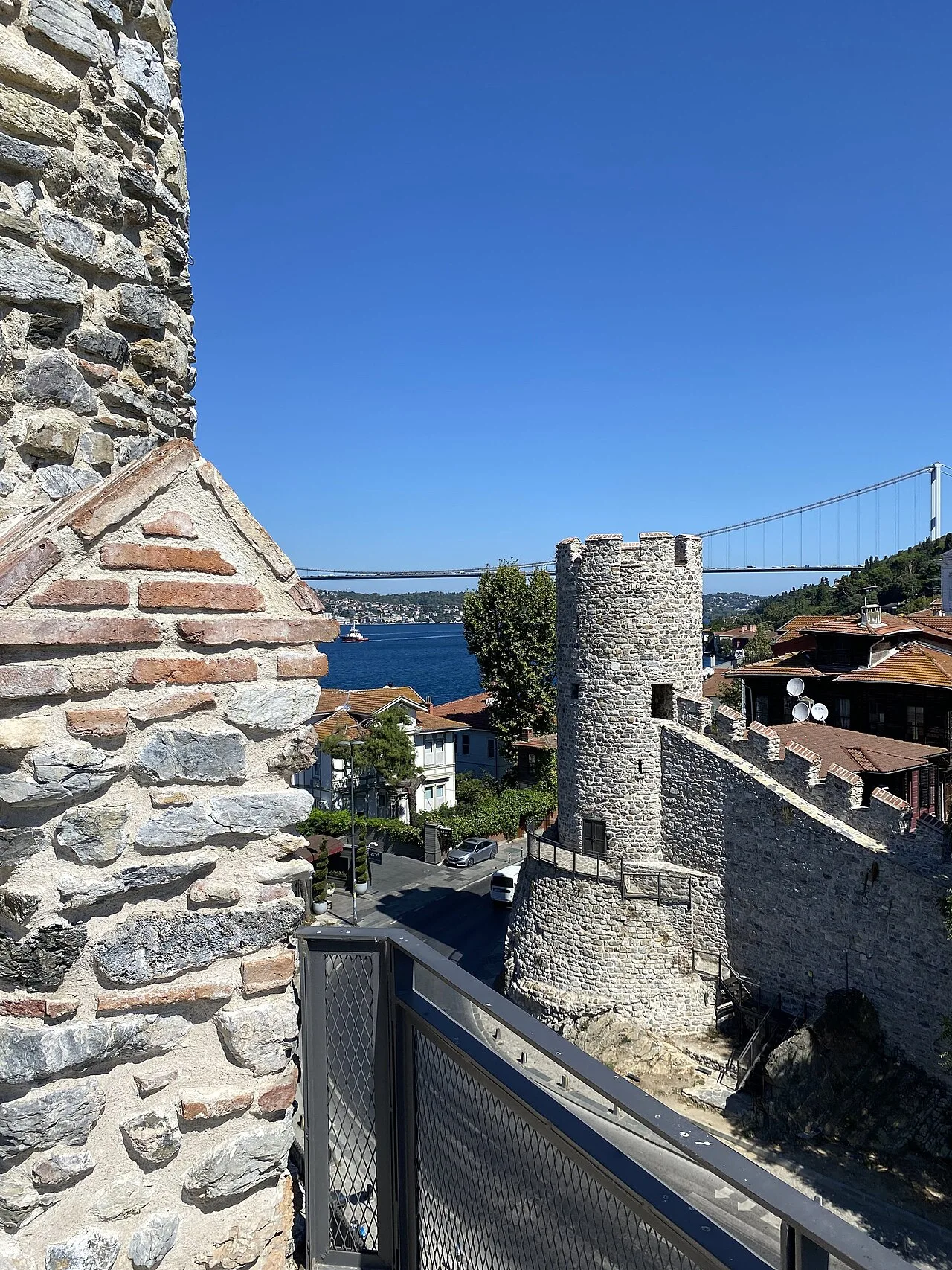
Important events
- 1395
Bayezid I commissions the fortress.
- 2023
It reopens after restoration by İBB Heritage.
What to look for from the water
Identify the central tower and walls behind the houses near the Göksu mouth. The fortress can blend into the neighbourhood from some angles, so comparing the miniature with the real shoreline is particularly helpful.
Questions about this landmark
Which fortress is older, Anadolu or Rumeli?
Anadolu Fortress dates to Bayezid I’s reign in 1395; Rumeli Fortress was built in 1452.
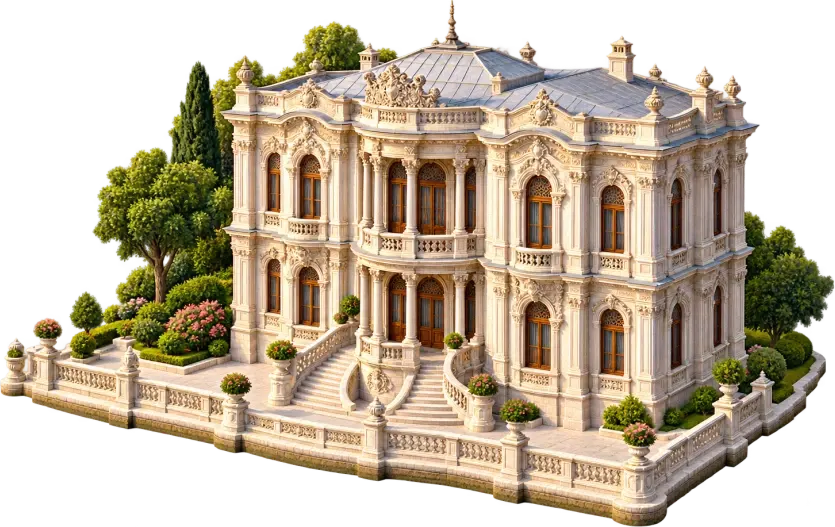
Is Anadolu Fortress near Küçüksu Pavilion?
Both are on the Asian shore around the Göksu area, although they served very different purposes.