History
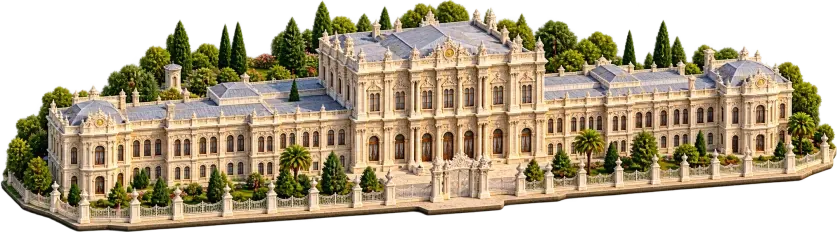
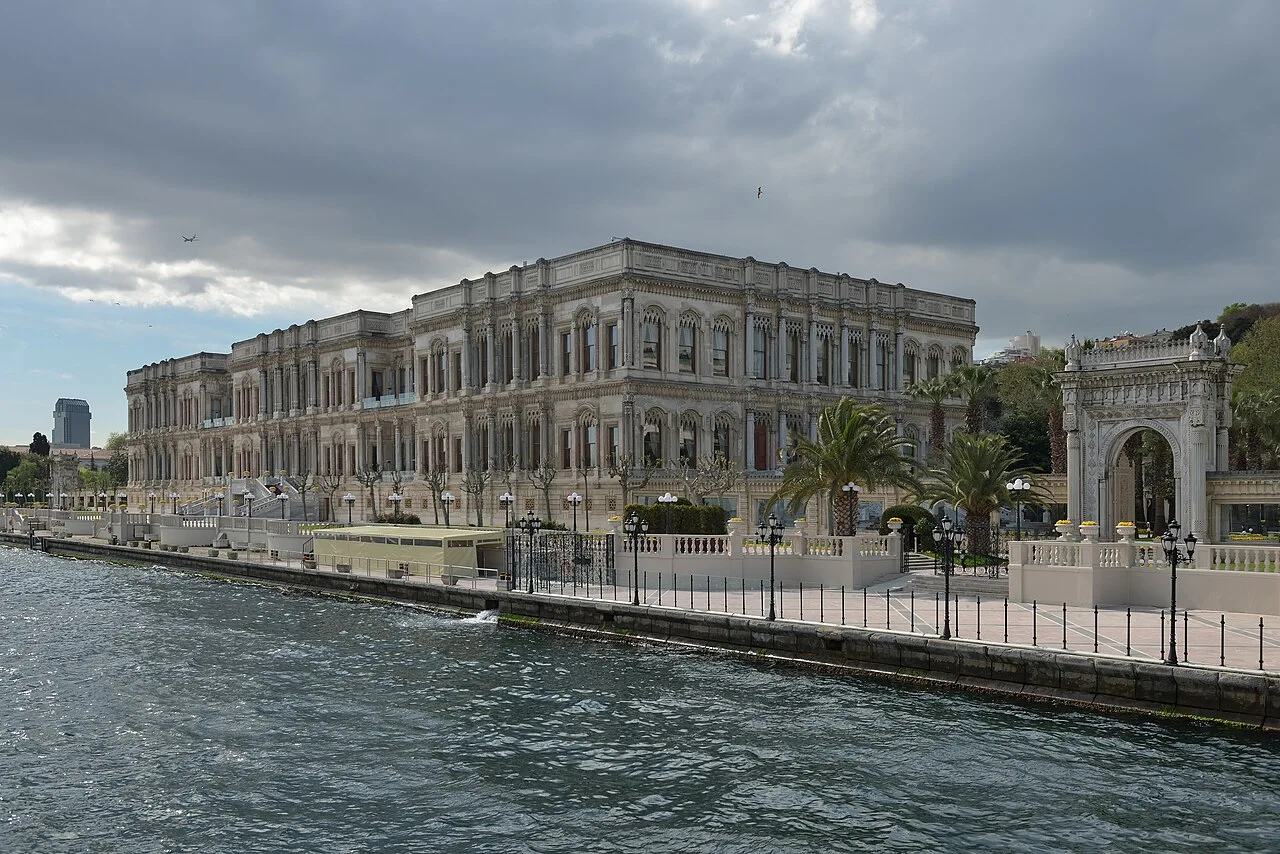
Completed under Sultan Abdülaziz, this Balyan-family palace became a landmark of late Ottoman architecture. Its decorated doors were celebrated for their wood and mother-of-pearl craftsmanship.
After Abdülaziz’s reign, the palace became the residence of the deposed Murad V and his family. In 1878, Ali Suâvi’s attempt to restore Murad to the throne ended in a failed raid on the palace. Its history includes political confinement as well as royal ceremony.
Behind the landmark
One remarkable survivor of the devastating palace fire is the imperial hammam. Its original marble and craftsmanship preserve a direct link to the sultans’ palace.
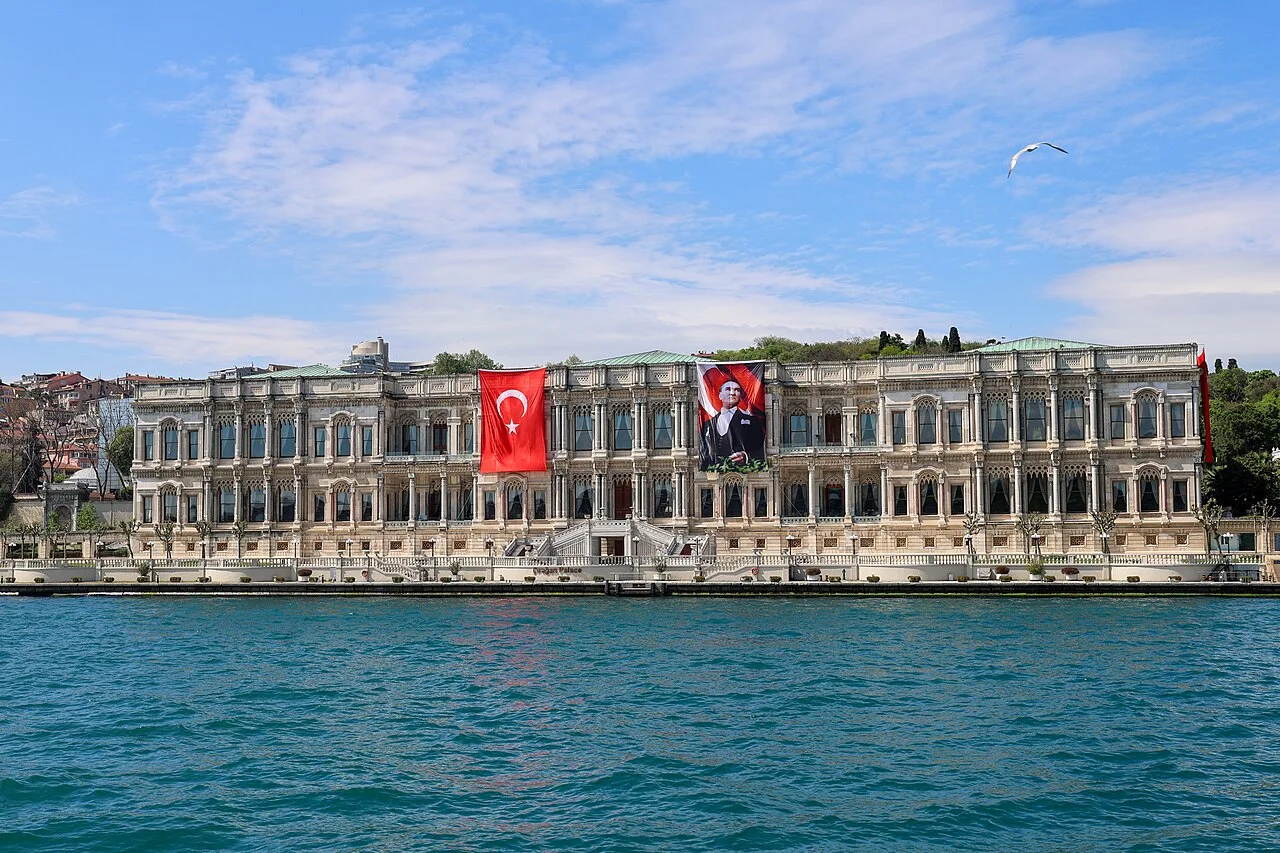
The restored complex invites a useful distinction between an original survival and a recreated interior. The surviving hammam gives the palace’s recovery story a tangible reference point, alongside the stone waterfront façade.
Important events
- 1878
An attempt to return Murad V to the throne is stopped at the palace.
- 1910
Fire destroys much of the palace interior.
- 1991
The restored complex opens as a palace hotel.
What to look for from the water
Look for the long, symmetrical façade and dense stone ornament beside the water. A boat view helps place Çırağan between the other Beşiktaş palaces and Ortaköy; access to the hotel is separate from a cruise.
Questions about this landmark
Is Çırağan Palace the same building as Dolmabahçe?
No. They are separate Ottoman waterfront palaces in Beşiktaş, with different histories and present-day uses.
What survived the palace fire?
The imperial hammam is a notable original survivor, highlighted in the palace’s own historical account.