History
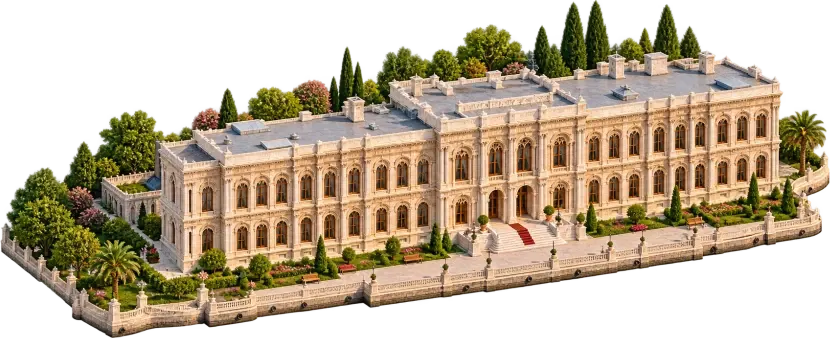
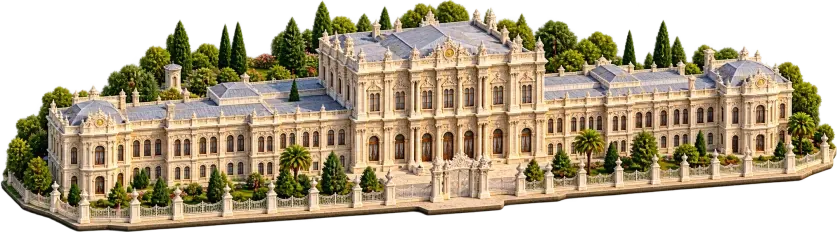
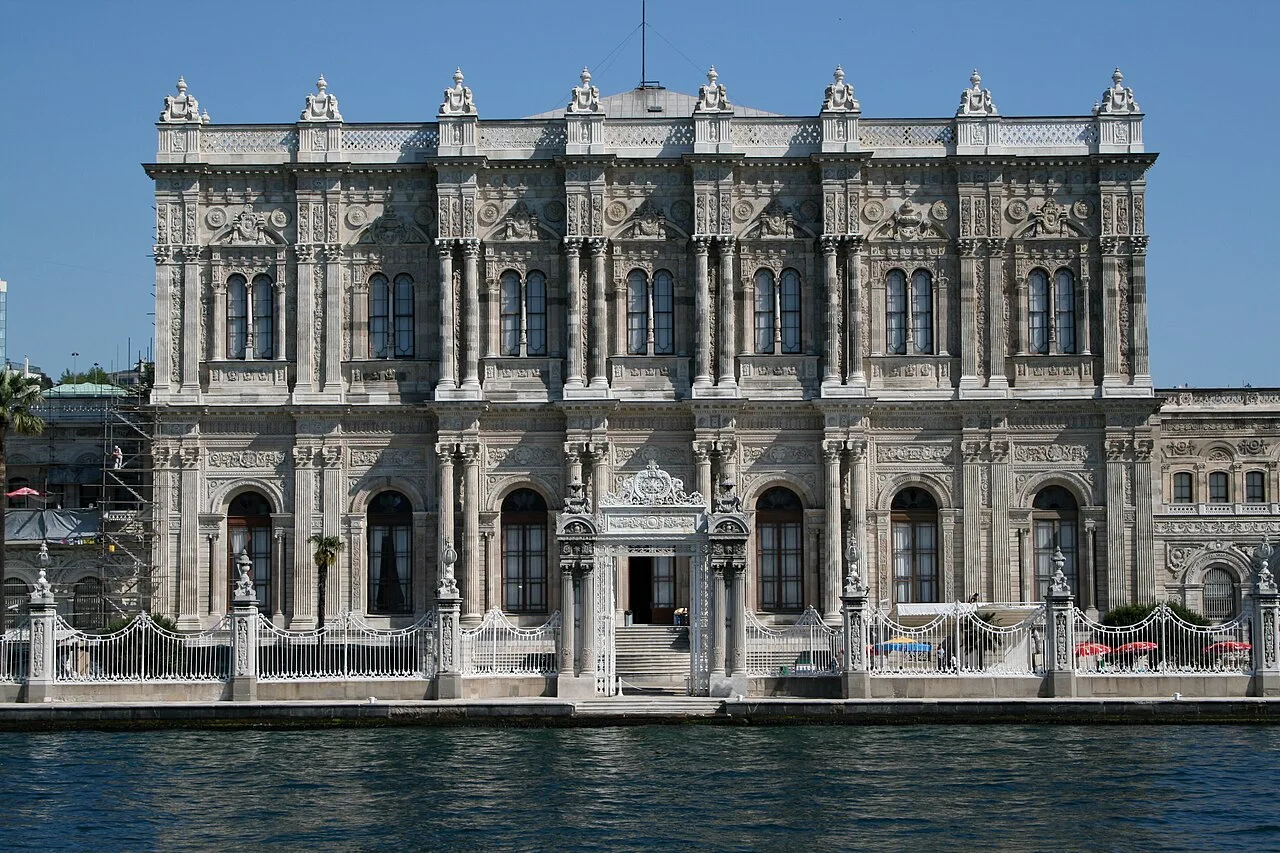
Built for Sultan Abdülmecid, Dolmabahçe became an imperial residence and administrative centre. Ottoman traditions meet European decoration in its halls and waterfront façade.
The palace separates official administration, ceremonial reception and private household life into different spaces. This arrangement helps explain its scale: it was both a home and a stage for government. In the Republic, Atatürk used the palace for stays and work in Istanbul.
Behind the landmark
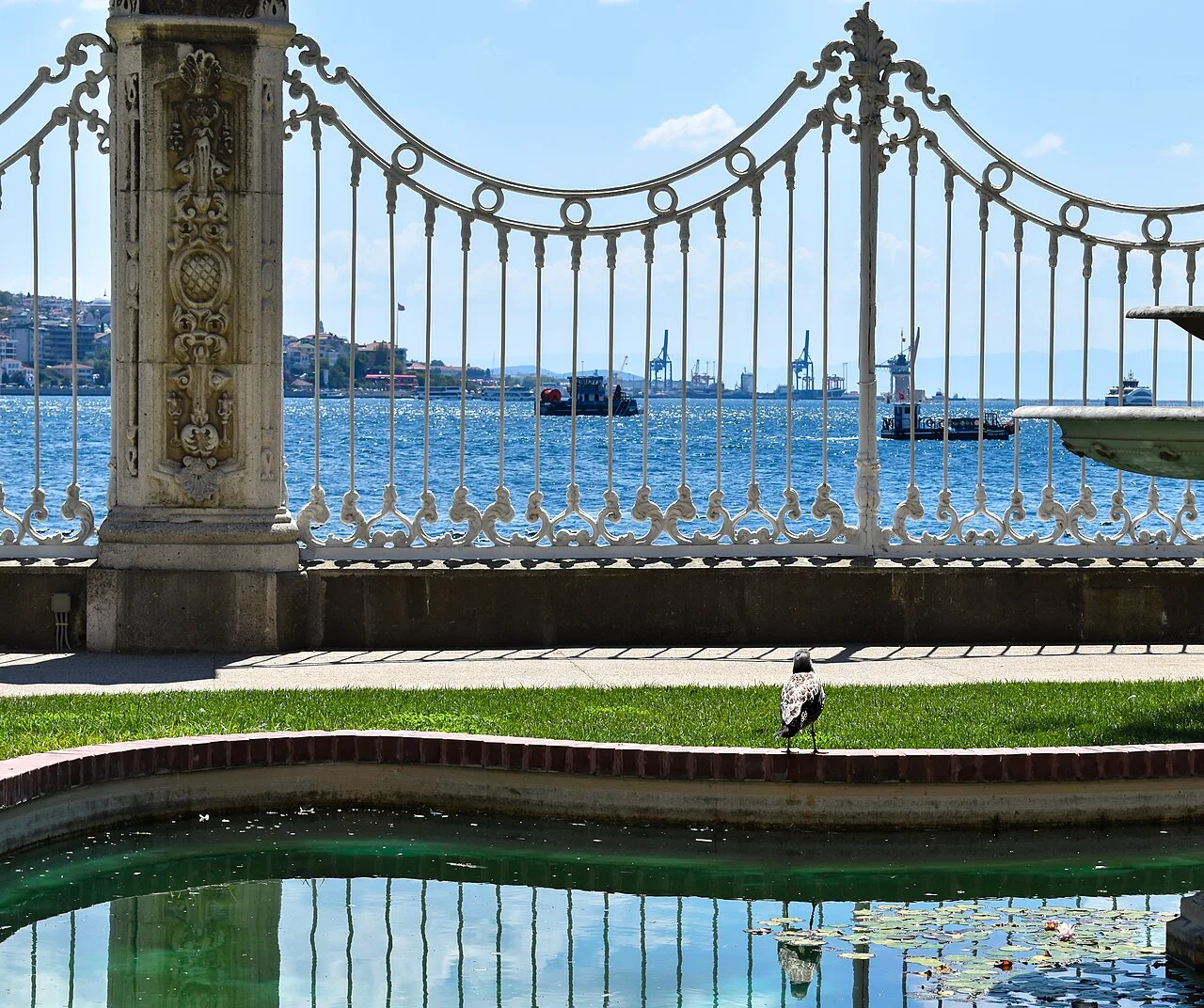
Its name means ‘filled garden’. The site was once a natural bay, later reclaimed and turned into an imperial garden before the palace was built.
The change from sheltered bay to garden and then palace is also a story of Istanbul reshaping its coastline. The name preserves that earlier landscape even though the imperial residence now dominates the view.
Important events
- 1856
Sultan Abdülmecid moves into the palace.
- 1938
Mustafa Kemal Atatürk dies here.
- 1984
The palace opens to visitors as a museum with its original furnishings.
What to look for from the water
From the Bosphorus, notice the repeated windows, decorated central section and gates facing the water. A cruise offers a view of the exterior; entering the museum and seeing its interiors requires a separate visit.
Questions about this landmark
Why is Dolmabahçe Palace important?
It served the late Ottoman court and later became one of Atatürk’s places of residence and work in Istanbul.
Does a Bosphorus cruise include entry to the palace?
Viewing the waterfront exterior does not include museum entry. Check the inclusions of your chosen programme.