History
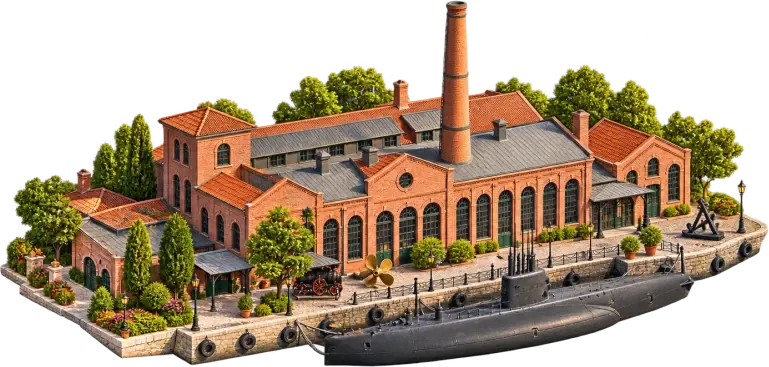
The museum opened in a restored Ottoman lengerhane, later expanding into the neighbouring historic Hasköy shipyard. Its setting connects the Golden Horn’s workshops with transport and engineering history.
The building’s brickwork and generous interior volumes make its industrial setting visible. Looking at the architecture before individual exhibits helps connect the museum with the working shoreline that gave the site its original purpose.
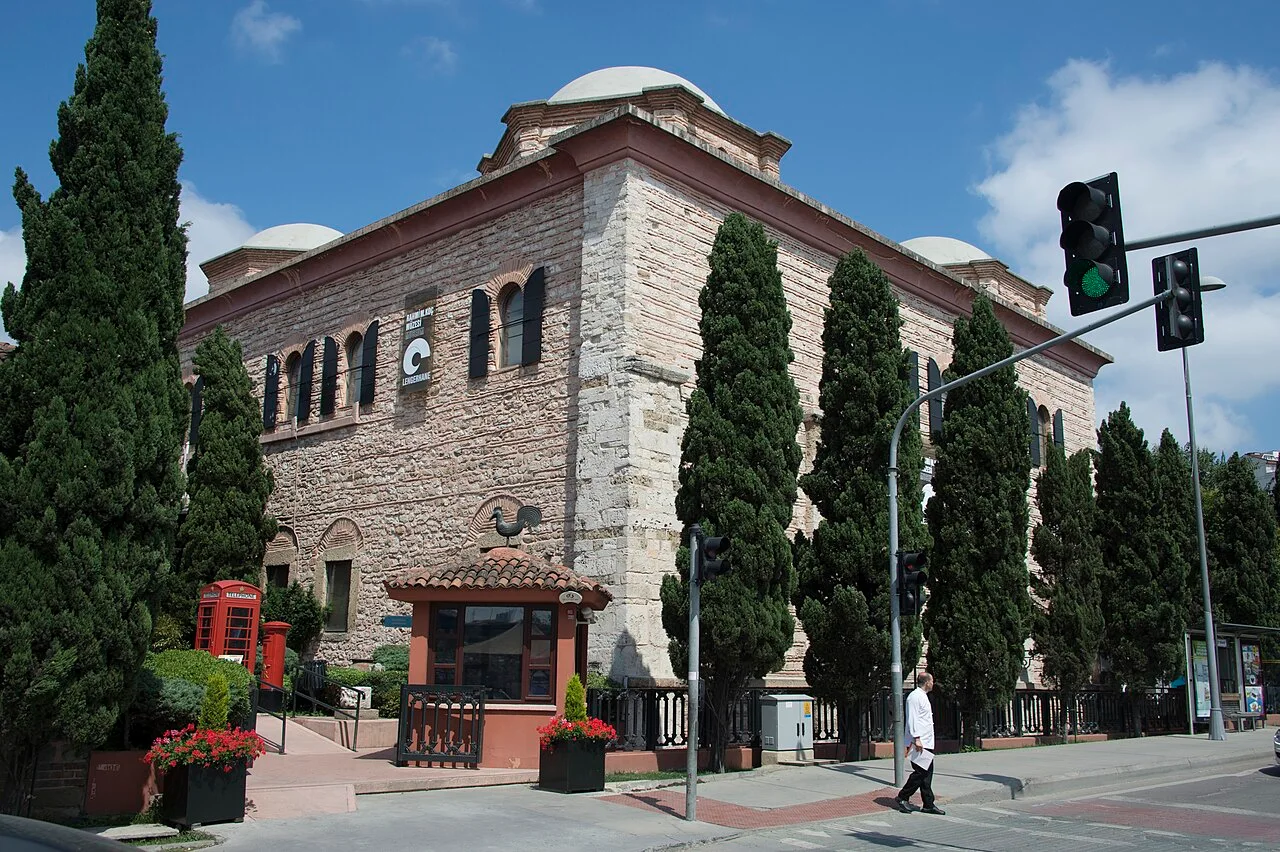
Behind the landmark
A lengerhane made ship anchors and chains: ‘lenger’ refers to an anchor and ‘hane’ to a house. The building’s original work lives on in its name.
Here, the name is a useful historical clue. Knowing what a lengerhane produced changes the way the building is seen: the museum’s setting becomes part of its subject rather than a neutral container for a collection.
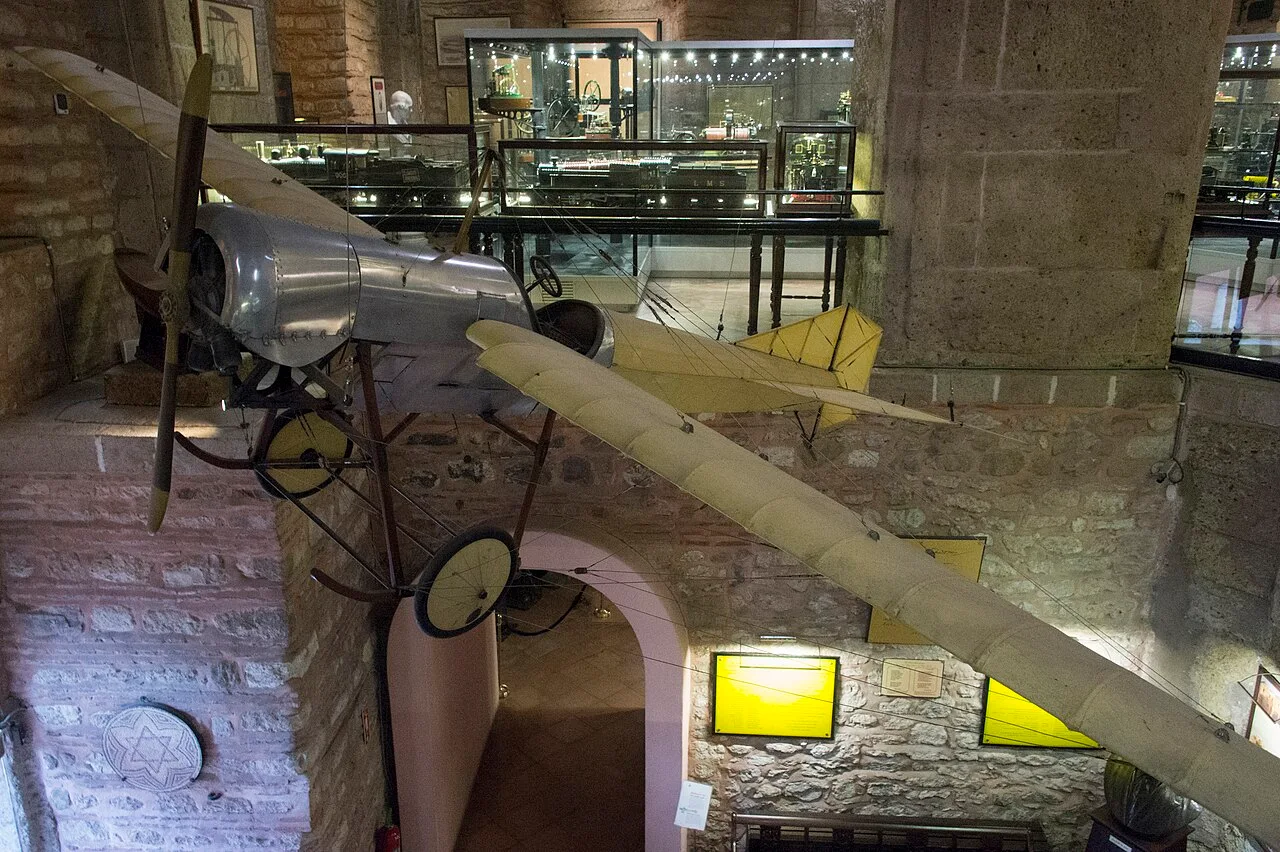
Important events
- 1984
A fire seriously damages the lengerhane roof.
- 1994
The restored building opens as a museum.
What to look for from the water
This landmark is on the Golden Horn, not the main Bosphorus shoreline. Ask whether your programme includes the Haliç area; a standard Bosphorus route should not be assumed to pass the museum.
Questions about this landmark
Is the museum on the Bosphorus?
It is beside the Golden Horn in Hasköy. The Golden Horn and the Bosphorus are different waterways.
What does lengerhane mean?
It refers to a workshop producing ship anchors and chains; the historic building retains that name.