History
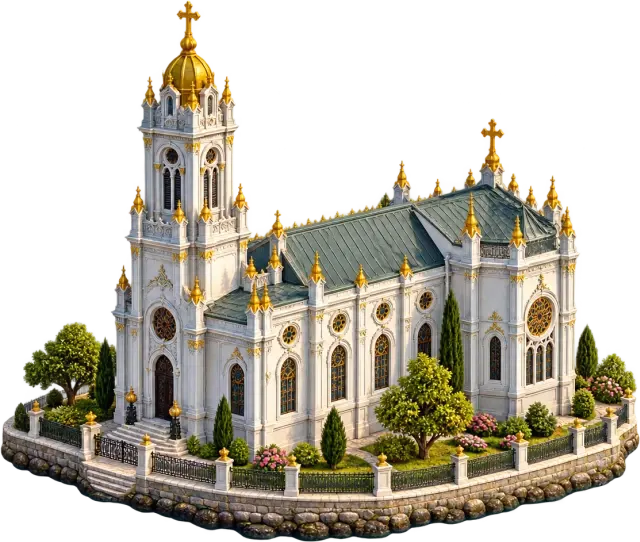
This Bulgarian Orthodox church replaced an earlier wooden church. Its prefabricated iron structure gives it the familiar nickname ‘Iron Church’.
The structure combines prefabricated metal engineering with the appearance of a richly decorated church. It is a reminder that nineteenth-century Istanbul’s architectural changes included materials and production methods as well as new styles.
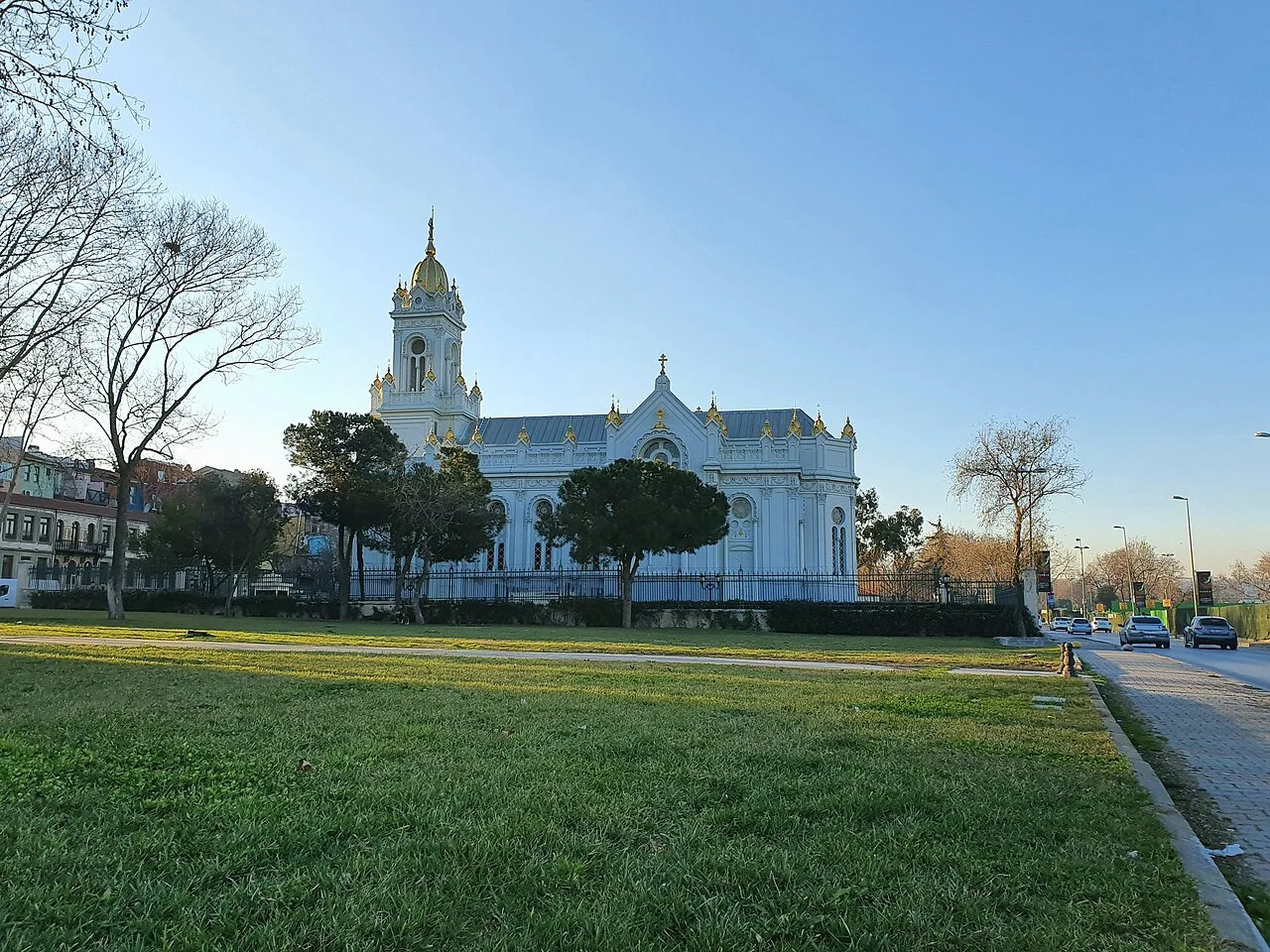
Behind the landmark
The iron components were manufactured in Vienna and brought to Istanbul to be assembled on the waterfront. Its ornate appearance conceals an extraordinary construction story.
Manufacturing components in one city and assembling them in another gives the building an international construction story. Its iron identity becomes more meaningful when the façade is read as something made of assembled parts, rather than assumed to be carved stone.
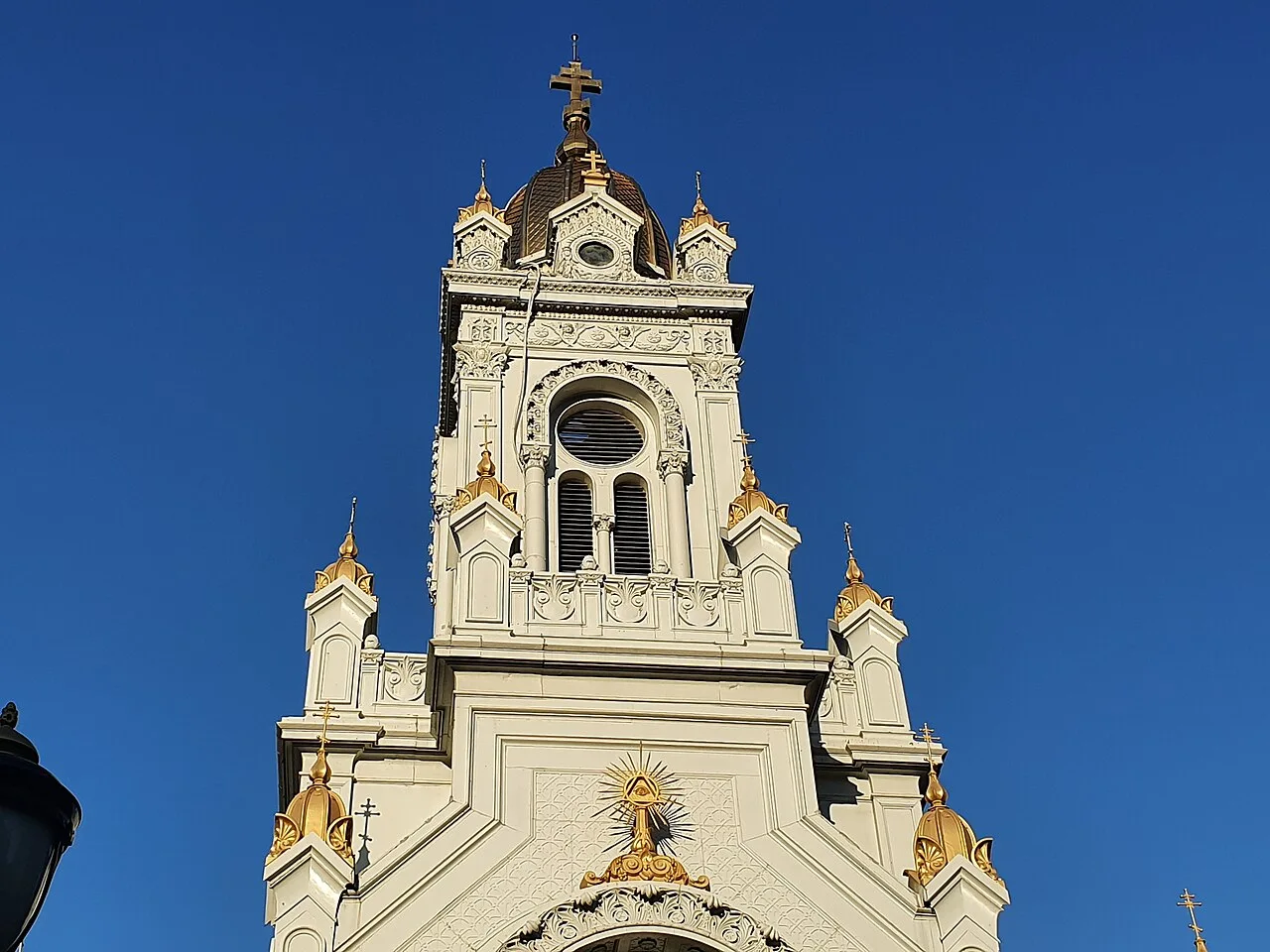
Important events
- 1849
A donated wooden house becomes the first church.
- 1898
The Iron Church is inaugurated.
What to look for from the water
Look for the pale façade and bell tower along the Balat shore. This is a Golden Horn landmark, so seeing it from a boat depends on a Haliç programme rather than every Bosphorus cruise.
Questions about this landmark
Why is Sveti Stefan called the Iron Church?
Its structure uses prefabricated iron components, despite an exterior that can suggest a stone building.
Where is Sveti Stefan Church?
It is in Balat, in Istanbul’s Fatih district, beside the Golden Horn.